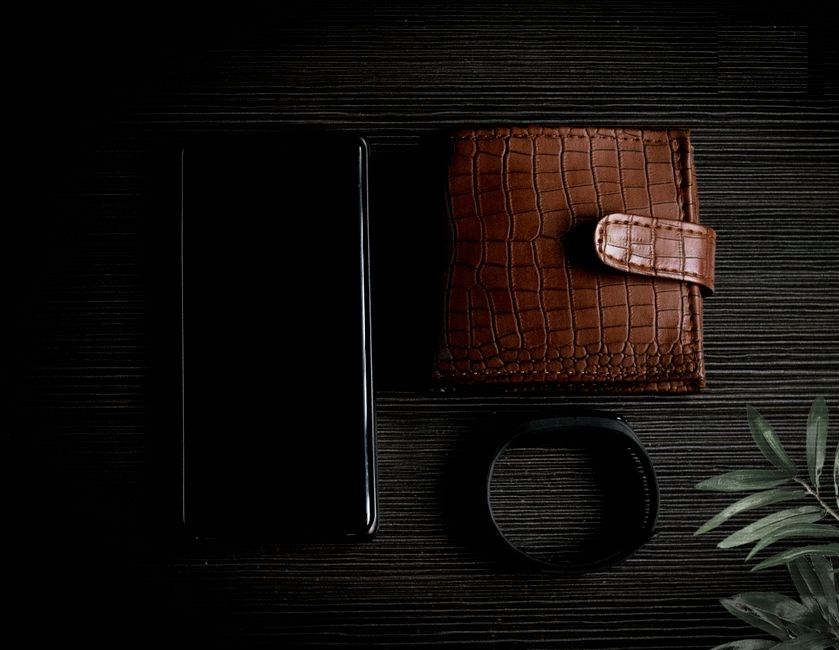
Choosing the Right Wallet Type

Choosing the right wallet hinges on lifestyle. Card‑front wallets suit commuters, money clips fit minimalists, while travel wallets offer extra slots for passports and travel cards. Consider pocket size, card capacity, and travel needs to pick the best fit. Choose wisely for comfort and longevity.!!
Card-Front vs. Money Clip vs. Travel Wallet
When selecting a wallet, the three primary styles—card‑front, money clip, and travel—offer distinct advantages that align with specific daily habits and travel routines. Card‑front wallets, often called “bifold” or “trifold,” provide quick access to multiple cards, IDs, and a small cash compartment. Their design keeps everything in one place, making them ideal for commuters who need to swipe or tap frequently. The flip‑over or sliding mechanism allows for a smooth, almost magnetic feel, and the bulk is usually minimal, fitting comfortably in a front or back pocket without adding bulk. They are also easy to clean and can be lined with RFID‑blocking material to protect against electronic theft. Money clips are the minimalist choice. A simple metal clip holds cash and a few cards, and the entire unit is typically under an inch thick. This style excels for those who prefer a slim profile, carry only essential cards, and want a wallet that slides easily into a pocket or belt loop. The trade‑off is limited capacity; if you need to carry multiple cards or a larger amount of cash, a money clip may feel restrictive. However, many modern money clips incorporate a small card slot or a detachable card holder, adding versatility while maintaining a sleek silhouette. They are often lighter and can be more comfortable for people who dislike the bulk of a traditional wallet. Travel wallets combine the best of both worlds. They feature multiple card slots, a passport pocket, a detachable money pouch, and often RFID protection. The larger size accommodates a full set of travel documents, boarding passes, and a few extra cards. Travel wallets are typically made from durable, water‑resistant materials and include reinforced stitching for long‑term use. While they are bulkier, the organized compartments reduce the risk of losing items and make it easier to locate a specific card or document during a hectic airport check‑in. For frequent flyers or weekend adventurers, a travel wallet offers peace of mind and convenience that a compact card‑front or money clip cannot match. Additionally, many travel wallets come with a built‑in strap or loop for attaching to luggage, and some models feature a hidden pocket for passports or boarding passes, further enhancing security. Choosing the right style depends on how many cards you carry, how often you travel, and whether you prioritize a slim silhouette or comprehensive organization.
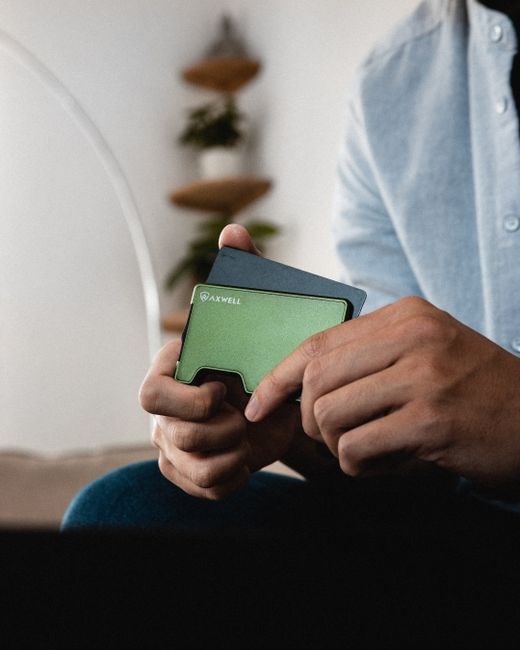
Material Matters
Top‑grain leather offers a smooth finish and is affordable, while full‑grain leather ages beautifully with a natural patina. Canvas is breathable, though less durable. Synthetic fabrics provide water resistance and a modern look, but may lack the feel of real leather. premium quality, crafted now!
Top-Grain Leather, Full-Grain Leather, Canvas, and Synthetic Options
Top‑grain leather is the most common choice for wallets. It is a refined cut of the upper layer of hide, trimmed to remove imperfections, and finished with a protective coating. While it looks polished, it does not develop the rich patina that full‑grain leather does, and its surface can show scratches over time. Full‑grain leather preserves the entire natural grain of the hide, is thicker, more resistant to wear, and will develop a unique patina as it ages. Because of its superior durability, full‑grain wallets are priced higher, but many users find the investment worthwhile for long‑term use. Canvas wallets, made from woven cotton or synthetic fibers, are lightweight and breathable, making them a good choice for travelers who need a slim, flexible option. However, constant friction against pockets can cause canvas to fray or tear, especially if it is not reinforced. Synthetic materials—such as nylon, polyester, or engineered leather—offer a modern aesthetic and excellent resistance to water and stains. They can mimic the look of real leather while providing a lighter, more affordable alternative. When selecting a material, consider how often you will use the wallet, the environment it will be exposed to, and the level of care you are willing to provide. A high‑quality full‑grain leather wallet may last a decade or more, while a canvas or synthetic option may need replacement after a few years of heavy use. Ultimately, the right material balances durability, appearance, and price to match your personal style and daily needs.
Size and Capacity Considerations
Choosing wallet size depends on daily card count, and cash, and personal daily preference. Compact models hold 6–8 cards, ideal for minimalists. Mid‑size offers 10–12 slots plus a small bill compartment, balancing convenience bulk. Full‑size wallets fit 15+ cards and larger bills, best for travelers.
Compact, Mid-Size, and Full-Size Wallets for Everyday Use
Compact wallets, typically 2–3 inches thick, are engineered for the minimalist who carries a handful of cards and a minimal cash stash. They fit comfortably in front pockets and are ideal for commuters who prefer a slim profile. Mid‑size wallets, measuring 3–4 inches, strike a balance between capacity and bulk; they accommodate 10–12 cards, a small bill compartment, and occasionally a coin pocket, making them suitable for professionals who need quick access to multiple cards. Full‑size wallets, ranging from 4–5 inches, offer generous card slots—often 15 or more—alongside larger bill compartments and dedicated coin sections. They are best for travelers or individuals who carry a diverse array of cards, IDs, and cash. When selecting a size, consider daily card usage, pocket space, and the need for additional features such as a passport slot or a built‑in coin pouch. A well‑chosen size not only enhances convenience but also protects your cards from wear and tear, ensuring longevity and a polished appearance in everyday life. Moreover, the weight of a full‑size wallet can be noticeable when carried in a backpack, so balance the number of cards with the comfort of carrying. Some manufacturers offer adjustable card slots that allow you to customize the thickness, providing a tailored fit for your specific card stack. In contrast, compact models often sacrifice a few slots to maintain a sleek silhouette, which can be a decisive factor for those who value minimalism over maximum capacity. Ultimately, the choice between compact, mid‑size, and full‑size wallets hinges on your daily routine, the variety of cards you hold, and how much bulk you are willing to accommodate in your pocket or bag.
Ergonomics play a crucial role; a wallet that sits flat against the body reduces friction and prevents card bending. Leather wallets tend to be heavier but offer durability, while canvas or synthetic options are lighter and more resistant. The choice of material can influence the overall size, as thicker leather may add bulk. Additionally, consider the wallet’s construction—stitching quality, snap closures, and reinforced edges—to ensure long‑term resilience. Some brands incorporate RFID‑blocking layers, which can be a deciding factor for users concerned about electronic theft. Finally, think about the wallet’s aesthetic: a sleek, monochrome design may suit formal settings, whereas a bold, patterned canvas can reflect a casual, adventurous lifestyle.
In practice, many users find that a mid‑size wallet offers the best compromise between functionality and portability. It accommodates essential cards, a modest amount of cash, and occasionally a small coin pouch, all while remaining slim enough to avoid bulk. For those who travel frequently, a full‑size wallet with a dedicated passport slot and a separate compartment for boarding passes can streamline airport security checks. Conversely, commuters who rarely carry cash may opt for a compact wallet, reducing the risk of accidental spills and keeping the wallet light. Ultimately, the right size is a personal decision that balances everyday practicality with individual style preferences.
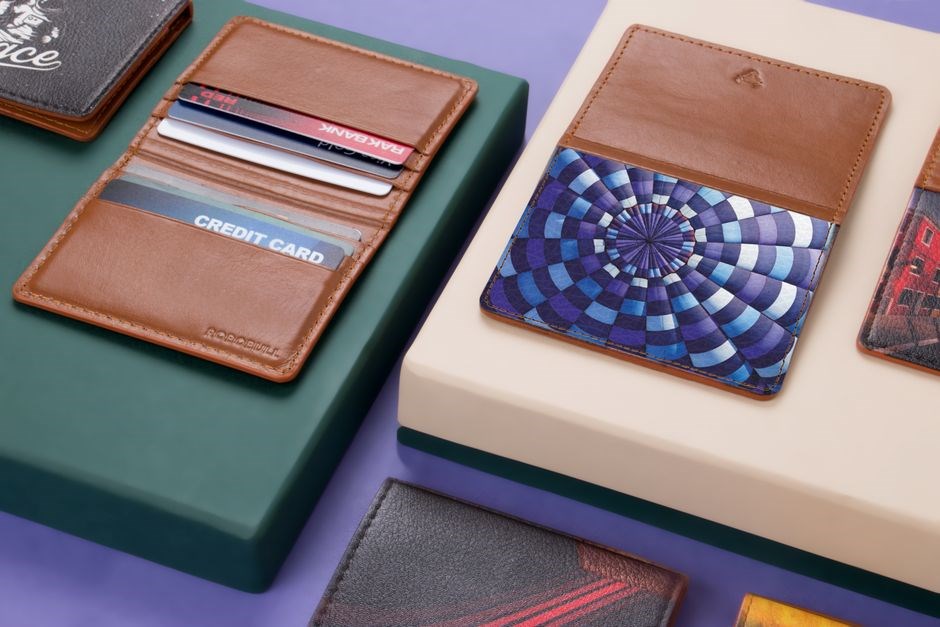
Organization Features
Card slots, ID pockets, coin compartments, and RFID blocking are key. A well‑structured wallet keeps cards accessible, prevents jamming, and protects privacy. Choose models with clear dividers and secure closures for everyday efficiency. Compact designs also support quick access! OK.
Card Slots, ID Pockets, Coin Compartments, and RFID Blocking
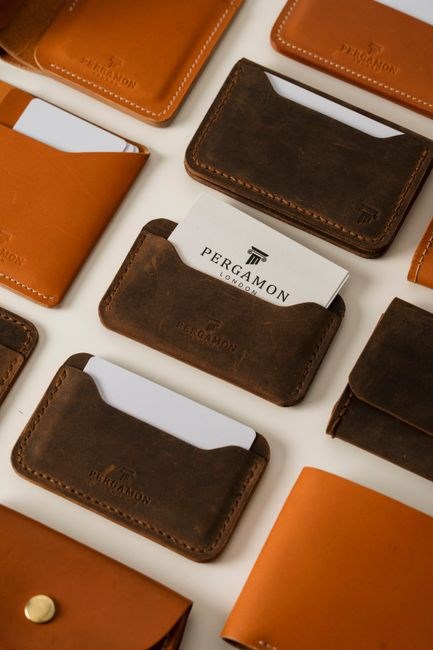
When choosing a wallet, the internal layout dictates daily efficiency. Card slots should be wide enough to hold standard credit, debit, and membership cards without bending; a typical design offers 4–6 slots, with premium models adding a dedicated slot for contactless cards to enable quick tap‑and‑go. ID pockets are essential for drivers’ licenses, passports, or employee badges; they should be made from a non‑stretchable, tear‑resistant material and secured with a snap or magnetic latch to keep documents in place. Coin compartments range from simple elastic pouches to hard‑backed trays; the choice depends on how often you carry loose change, as a sturdy tray prevents rattling and spilling. RFID blocking has become a must‑have feature. It uses a thin layer of metal or conductive fabric woven into the wallet’s interior to shield embedded RFID chips in cards from unauthorized scans. High‑quality shields block frequencies up to 13.56 MHz, covering most contactless payment systems. When evaluating a wallet, verify that the RFID protection is rated and that the shielding material does not interfere with card readability. Some wallets incorporate a magnetic strip slot for loyalty cards, allowing quick swipe without pulling the wallet out. The ID pocket often features a reinforced zipper to protect sensitive documents from abrasion. Coin compartments can be designed with a removable elastic band, enabling easy addition or removal of coins. For RFID blocking, manufacturers may use a multi‑layer shield combining a metal mesh with a polymer backing, providing both durability and flexibility. Testing reveals that wallets with a full‑metal RFID layer reduce signal strength by over 99 %, effectively neutralizing skimming attempts. A wallet that clearly states “13.56 MHz RFID blocking” offers the most comprehensive protection for modern contactless cards. Properly organized wallets reduce the risk of lost cards and streamline transactions, making them indispensable for the modern professional!!!
Security and Privacy Features
RFID blocking, hidden pockets, and build keep your cards safe. Look for a metal shield that stops 13.56 MHz scans, a discreet zipper pocket for sensitive IDs, and a reinforced frame that resists wear and tear. Choose a wallet that protects privacy and durability.
RFID Blocking, Hidden Pockets, and Durable Construction
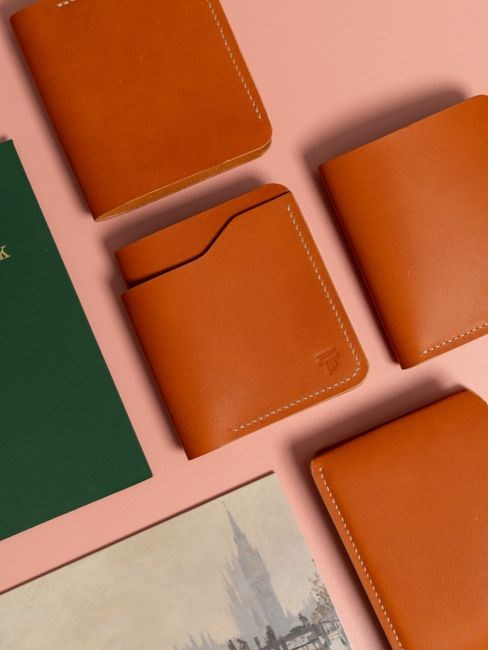
When selecting a wallet, prioritize security features that protect your personal data and ensure long‑term resilience. RFID blocking technology uses a metal shield or conductive fabric that absorbs radio waves, preventing unauthorized scanners from reading credit‑card information. Hidden pockets—often located behind a zipper or inside a discreet flap—offer a safe place for passports, cash, or emergency cards, keeping them out of sight and reducing the risk of theft. Durable construction is equally critical; look for double‑stitched seams, high‑quality leather or reinforced synthetic fabrics, and robust hardware such as brass or titanium clasps. These elements together create a wallet that resists daily wear, protects against electronic pickpocketing, and maintains its appearance for years. Choosing a model that balances these three aspects ensures both peace of mind and longevity, making it a worthwhile investment for anyone who values privacy and durability. Investing in such a wallet not only safeguards your information but also adds a touch of sophistication to your daily routine. With a robust build and smart design, it keeps your essentials safe while enduring the rigors of everyday life. Stay secure. Always. Now!
Price Ranges and Value for Money
Budget wallets start around $20–$50, offering basic durability and simple organization. Mid‑range models ($70–$150) balance quality leather, RFID protection, and extra slots, delivering long‑term value. Premium pieces ($200+) offer top materials and security, justifying the price. for everyday use.
Budget, Mid-Range, and Premium Wallets
Budget wallets (under $50) are typically made from synthetic or lower‑grade leather. They offer basic card slots, a coin pocket, and often an RFID blocker. While they lack the refined feel of higher‑end models, many brands provide solid construction and a warranty that can extend their lifespan. Ideal for students or those who prefer a low‑cost, everyday carry solution.
Mid‑range wallets ($50–$150) strike a balance between affordability and quality. They usually feature full‑grain or top‑grain leather, multiple card slots, a dedicated ID pocket, and a secure zipper or snap closure. Many include an RFID‑blocking layer and a coin compartment. Brands in this segment often provide a limited‑time warranty and a more polished finish, making them suitable for professionals who need a reliable, stylish accessory without breaking the bank.

Premium wallets ($150+) are crafted from the finest full‑grain leather, often with hand‑stitched detailing and premium hardware. They boast advanced security features such as RFID shielding, hidden pockets, and reinforced stitching for durability. Some premium models include travel‑specific compartments, a detachable lanyard, or a built‑in travel lock. These wallets are designed to last decades, offering both luxury and functionality for discerning users who value craftsmanship and long‑term investment.
Key features by tier:
- Budget: 4–6 card slots, 1 coin pocket, basic RFID protection, 1‑year warranty.
- Mid‑Range: 6–8 card slots, ID pocket, 2 coin pockets, RFID shielding, 2‑year warranty, optional leather lining.
- Premium: 8–10 card slots, multiple ID/Passport slots, hidden RFID pocket, detachable lanyard, 5‑year warranty, leather‑tanning certification.
When choosing, consider durability, maintenance, and resale value. Leather wallets require occasional conditioning, whereas synthetic options are machine‑washable. Premium leather often comes with a lifetime warranty, reflecting confidence in longevity. For frequent travelers, a travel wallet with a built‑in passport holder can be a worthwhile upgrade.
Choose wisely, carry confidence.
Sustainability and Ethical Considerations
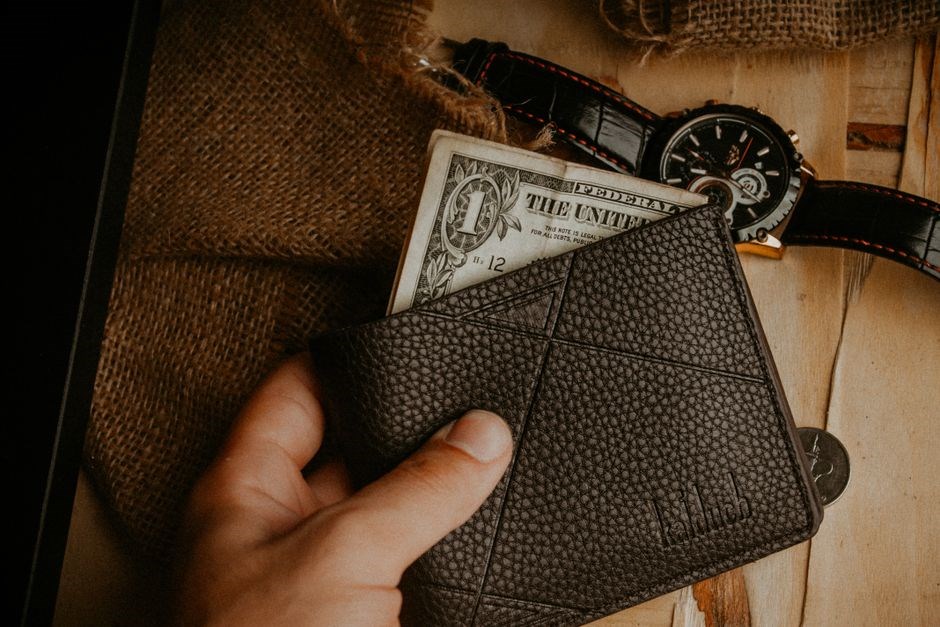
Choose eco‑friendly wallets: recycled canvas, vegetable‑tanned leather, or certified vegan materials. Verify fair‑trade labor, low‑impact dyes, and carbon‑neutral shipping. Support brands with transparent sourcing and transparent waste policies!!!!!
Eco-Friendly Materials and Ethical Production Practices
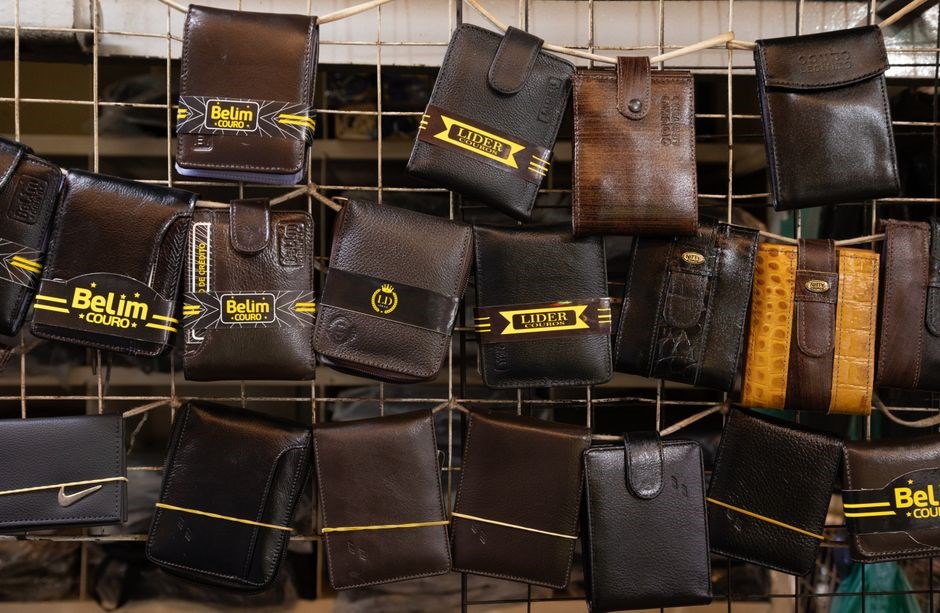
When you’re shopping for a wallet, the first question to ask is whether the materials and production process align with your values. Eco‑friendly options start with recycled canvas or upcycled fabrics, which divert waste from landfills and reduce the need for virgin fibers. Vegetable‑tanned leather is another sustainable choice; it uses tannins extracted from plant bark, fruit, and leaves, avoiding the toxic chromium salts that dominate conventional tanning. For those who want a truly animal‑free product, vegan leathers made from pineapple leaf, cork, or mushroom mycelium provide a durable, cruelty‑free product that still offers a premium feel.
Ethical production goes beyond the material. Look for brands that publish transparent supply‑chain reports, certify fair‑wage labor, and maintain safe working conditions. Certifications such as Fair Trade, B Corp, or the Leather Working Group’s “Responsible Tanning” program give you confidence that the factory meets rigorous social and environmental standards. Low‑impact dyes, water‑conservation practices, and reduced energy consumption further shrink a wallet’s carbon footprint.
Many manufacturers now offer carbon‑neutral shipping or offset programs, and they disclose waste‑management policies, ensuring that every step from raw material to finished product aligns with sustainability goals. By choosing wallets that combine green materials with ethical manufacturing, you support responsible fashion, encourage innovation in sustainable textiles, and help reduce the fashion industry’s ecological impact.
In addition to material choices, consider the entire life cycle of the wallet. Brands that source responsibly often use renewable energy in manufacturing, recycle water, and minimize waste; Some manufacturers offer repair programs or lifetime warranties, extending product longevity and reducing the need for new purchases. By supporting such initiatives, consumers encourage a circular economy that values durability over disposability.
Consumers can also look for certifications such as the Global Organic Textile Standard (GOTS) for organic cotton wallets, or the Leather Working Group’s “Responsible Tanning” label for leather items. Certifications provide third‑party verification that the product meets strict environmental and social criteria, giving buyers peace of mind that their purchase supports responsible practices.
These standards help consumers choose sustainable